High in the Peruvian Andes, Regenera’s Abancay Landscape stands as a model of hope and action for sustainable development. Beyond its breathtaking beauty, this area – which encompasses the Abancay Model Forest and other surrounding districts – represents a collective effort to preserve nature, empower communities and build a resilient future.
Abancay recently hosted the 23rd Board Meeting of the Latin American Model Forest Network (RLABM), which brought together leaders committed to sustainability from across Latin America. The event was a milestone in highlighting the region’s progress and the importance of Model Forests as key tools for conservation and development.
From the logistical organization to the field visits, the event allowed participants to experience firsthand the achievements and challenges of the Abancay Landscape. It was an opportunity to demonstrate how collaboration between communities, institutions and companies can transform a region.
Model Forests: innovation and collaboration
Did you know that a Model Forest is a revolutionary approach to land management? Imagine a space where communities, businesses, governments and NGOs join forces to balance ecosystem conservation with human well-being. These territories become platforms for consultation where innovative solutions to complex challenges are sought.
Since their origin in Canada in the 1990s, Model Forests have multiplied around the world, and in Latin America and the Caribbean they now number 34, distributed in 15 countries. Their mission: to promote participatory governance, conservation and sustainable development (https://bosquesmodelo.net/).
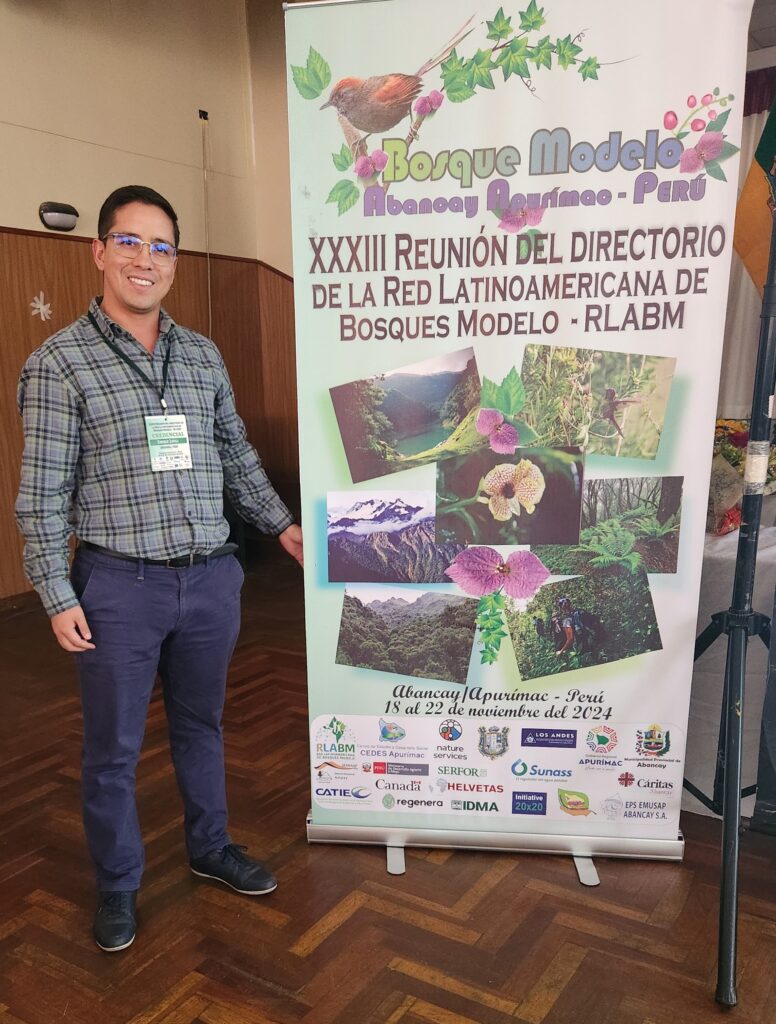
Enrique Zuñiga, Landscapes Lead of the Regenera team, at the RLABM event.
Each Model Forest is unique, reflecting the characteristics, strengths and challenges of its territory. In the case of Abancay, central themes include water management, forest restoration and the empowerment of campesino communities. This model fosters a long-term vision, where each action is part of a broader strategy to protect the environment and improve the quality of life.
In Peru, the Abancay Model Forest is an outstanding example of how this vision is being translated into concrete actions. Even more exciting: Regenera’s Abancay Landscape expands this area, integrating additional districts and further strengthening its impact.
Transforming actions in the Abancay Landscape
The Abancay Landscape is not only a meeting place, it is a living laboratory where Nature-based solutions (NBS) take shape. Here, the ancestral practice of planting and harvesting water has been reborn with the construction of oxbow lakes and water storage systems, vital for agriculture and consumption. These techniques, combined with modern technologies, have proven to be key to meeting the challenges of climate change and ensuring water security in the region.
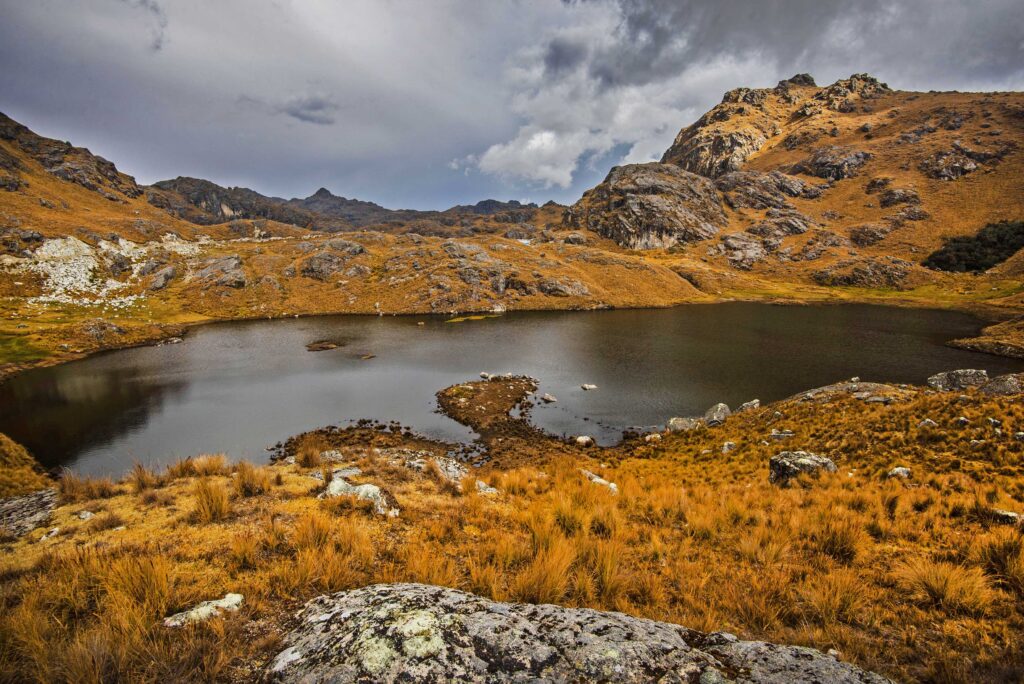
Cocha Chaupicocha, combining ancestral knowledge (water planting) with modern science (dam construction) for the conservation of the high Andean ecosystem.
Reforestation with native species such as queñoal (Polylepis spp.) and unca (Myrcianthes oreophyla) not only enriches biodiversity, but also protects soils, regulates the climate and connects communities with their natural environment. These trees, adapted to local conditions, are true guardians of the Andean ecosystem and represent a link between ancestral knowledge and modern science.
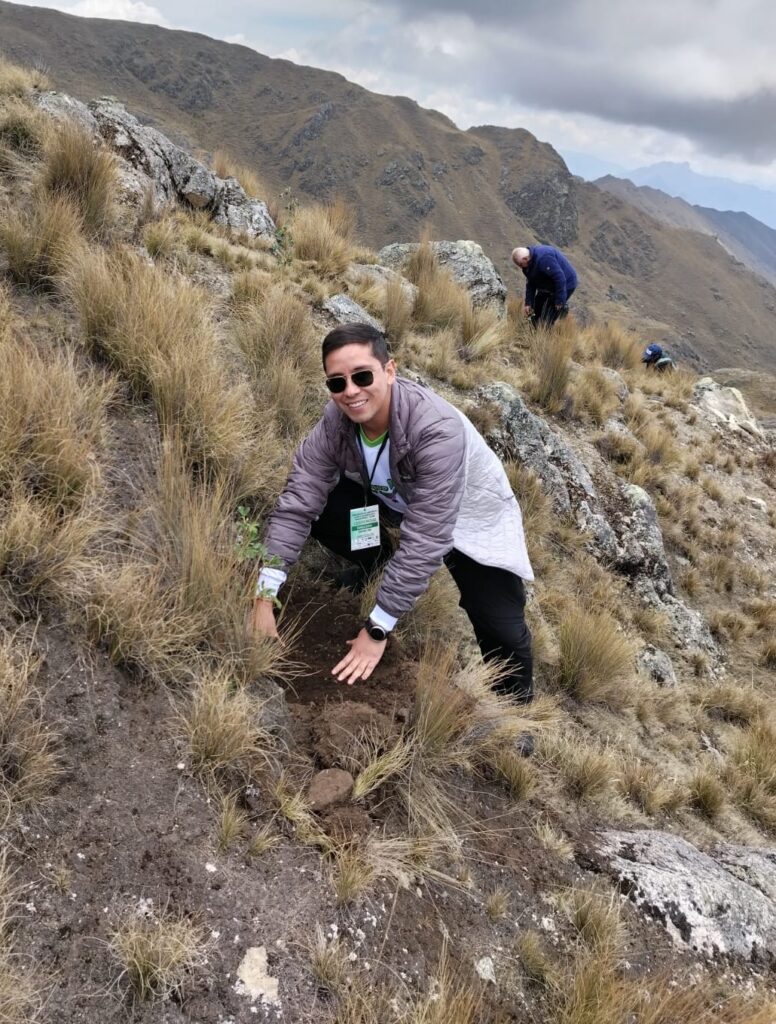
Reforestation of Polylepis spp. at more than 4000 m.a.s.l. in the rural community of Micaela Bastidas.
But what really makes the Abancay Landscape special are the people who inhabit it. The seven campesino communities that are part of this territory work hand in hand with Regenera and the Centro de Estudios y Desarrollo Social Apurímac (CEDES Apurímac), leading initiatives that combine conservation with economic development. From reforestation to training workshops, their commitment is a reminder of the power of community action.
Regenera: driving a sustainable future
What makes Regenera so special? Its innovative approach to sustainable financing. The organization connects private companies, interested in offsetting their ecological footprint, with local communities in need of resources to protect and restore their ecosystems.
In Abancay, Regenera not only provides funding, but also works hand in hand with CEDES, its Landscape Ally. This collaboration has allowed us to strengthen local capacities, promote participatory governance and ensure that each action has a tangible impact.
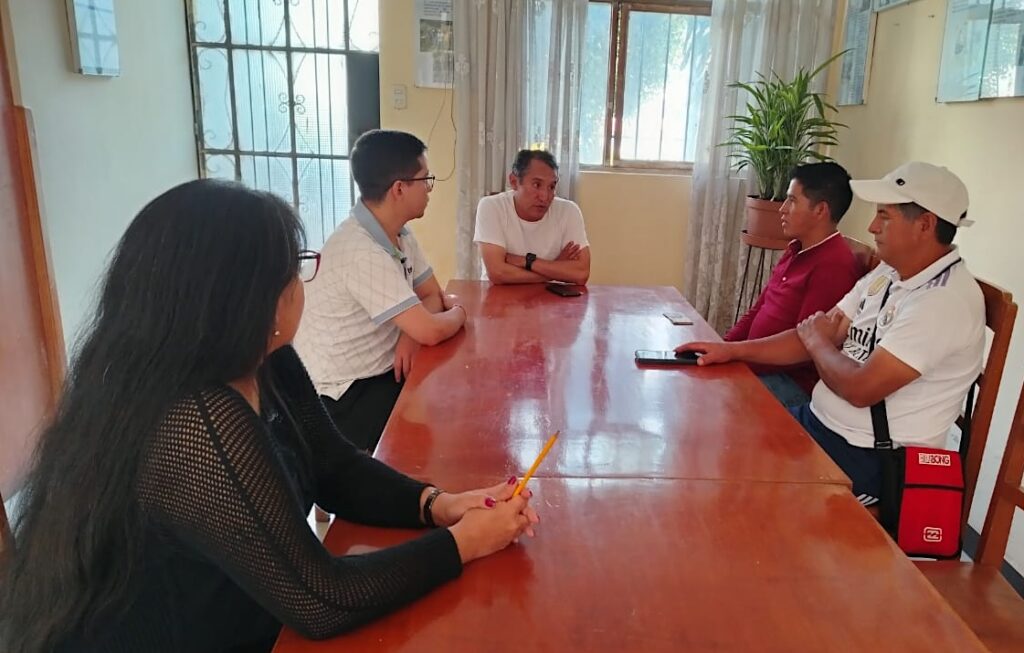
Tripartite meeting between Regenera, CEDES and the Llañucancha Campesino Community, coordinating the work plan for the year 2025.
For example, forest fire management, a recurrent challenge in the Abancay Landscape, has been addressed through workshops and training programs aimed at communities. These actions not only reduce fire risk, but also strengthen local knowledge and reinforce people’s connection to their environment.
From reforestation to forest fire management, Regenera’s work is creating real change, addressing both environmental and social issues. It is a clear example of how sustainability can be a tool for integral development.
National pride and a call to action
The Abancay Landscape is a source of pride not only for Apurímac, but for all of Peru and Latin America. It represents what is possible when diverse actors work together towards a common goal.
Having a model landscape like this one demonstrates that, despite environmental, social and economic challenges, change is possible. Actors as diverse as public entities, private companies and NGOs are building together a path towards comprehensive sustainable development.
From bridging social gaps to conserving critical ecosystems, this effort demonstrates that sustainable development is not just an idea; it is an achievable reality. But this story cannot be written alone. It needs everyone’s support and participation.
You too can be part of the change. Support Regenera’s projects, share these stories and join the movement for a greener and fairer future. Because protecting the Abancay Landscape is taking care of our planet and ourselves.

